
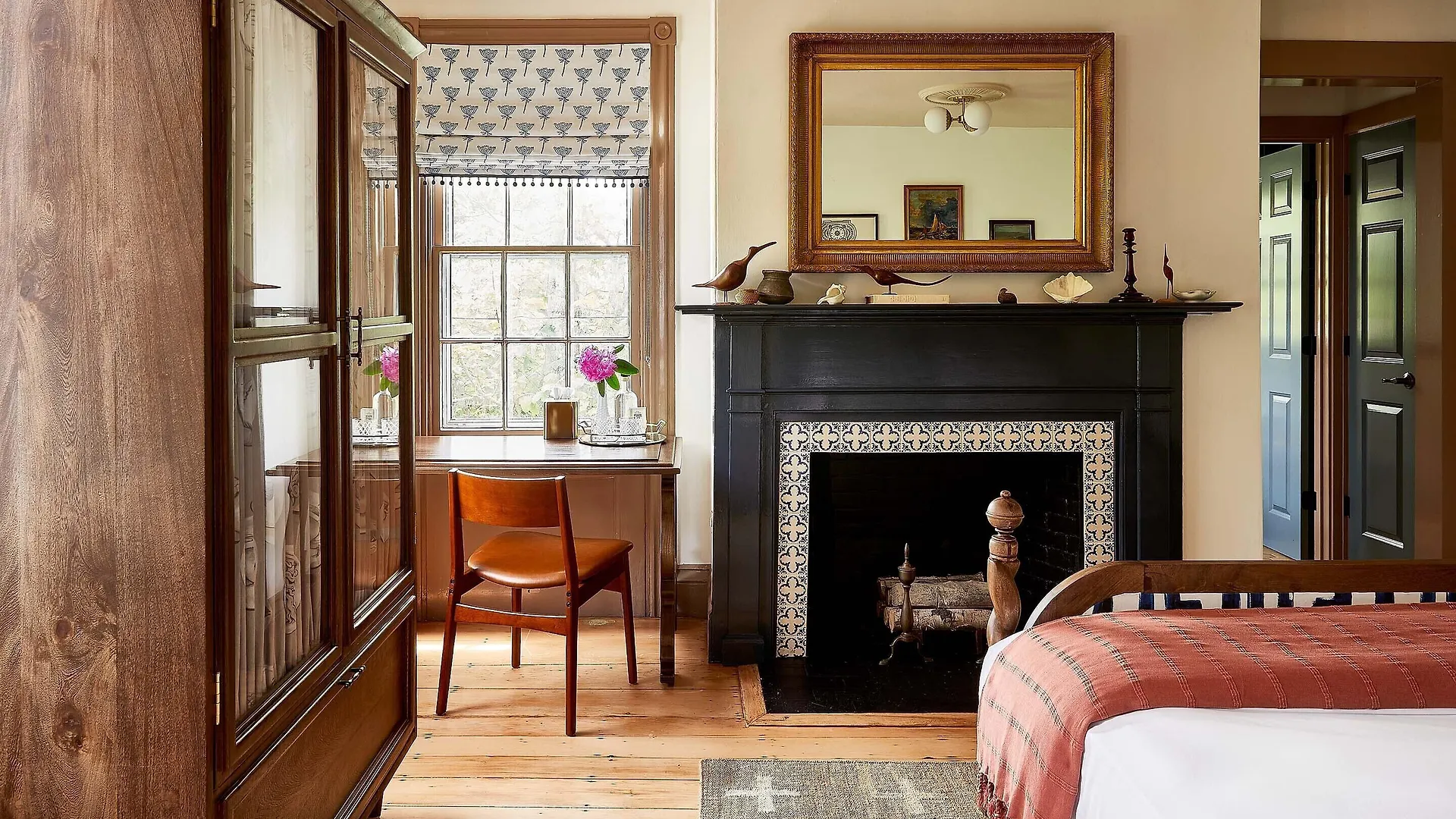
Inn hotels across the United States offer a fundamentally different experience from chain high-rises - smaller footprints, more grounded locations, and pricing that leaves room in your budget for the actual trip. From a historic inn steps from Carmel's coastline to a roadside property with a heated indoor pool in Glenwood Springs, Colorado, the range is wider than most travelers expect. This guide covers 14 inn hotels across 12 states, with the detail you need to book with confidence.
What It's Like Staying in the United States
The United States spans six time zones and an enormous range of climates, landscapes, and travel cultures - staying here is never a single experience. You can wake up to the desert silence of Arizona's Prescott National Forest, drive through Colorado's Roaring Fork Valley to Glenwood Springs, or settle into a Tennessee inn within reach of Nashville's music corridor. Geographic variety is the defining feature of road-tripping and inn-hopping across the U.S., but that variety also demands sharper planning than a single-city trip. Crowd levels vary dramatically by region: coastal and mountain destinations can see occupancy rates climb to around 95% in peak summer weeks, while Midwest and rural Southern inns stay accessible year-round.
Pros:
- Extreme geographic diversity means inn stays can be paired with deserts, mountains, coastlines, and cultural landmarks within a single itinerary
- Driving culture is deeply embedded - most inns offer free parking, making road trips genuinely cost-efficient compared to European city hotels
- Breakfast inclusion is common at U.S. inns, a practical advantage when traveling early or in areas with limited dining options
Cons:
- Public transport between towns is weak or nonexistent - a rental car is essential for reaching most inn locations outside major cities
- Quality consistency across the inn category varies sharply; the same brand can deliver very different experiences in different states
- Peak season pricing in destination towns like Carmel, Prescott, or Glenwood Springs can spike quickly, especially during festivals or holiday weekends
Why Choose Inn Hotels in the United States
Inn hotels in the U.S. occupy a well-defined niche: they sit between basic motels and full-service hotels, typically offering branded amenities like free breakfast, Wi-Fi, and parking without the pricing of a full hotel. Across the properties in this guide, rates generally sit below those of comparable full-service hotels in the same area - often by around 30%. Room sizes at inns tend to be functional rather than generous, with standard rooms averaging around 25-30 square meters, though amenities like microwaves, mini-fridges, and flat-screen TVs are standard across most properties. Free breakfast is a consistent differentiator at U.S. inns - properties like the Best Western Wittenberg Inn and Quality Inn Payson I-15 serve hot buffet options that meaningfully cut daily travel costs.
The trade-off is atmosphere: inn hotels prioritize practicality over design, and locations are often highway-adjacent or set in smaller towns rather than walkable urban cores. That said, several properties in this guide - particularly in Prescott, Arizona, and Tubac - sit within walking distance or a short drive of significant cultural or natural landmarks. The value proposition is strongest for road-trip itineraries where the inn is a base for day activities rather than a destination in itself.
Pros:
- Free breakfast, free parking, and free Wi-Fi are bundled at most U.S. inns, reducing the true cost per night significantly versus itemized hotel charges
- Indoor pools, fitness centers, and hot tubs appear at multiple properties - amenities typically reserved for higher-tier hotels elsewhere
- 24-hour front desks are standard, which matters for late arrivals on long driving days across multiple time zones
Cons:
- Room sizes are functional but compact - travelers expecting boutique-hotel space or design investment will be disappointed
- Highway-adjacent locations mean road noise is a real factor at properties in Sweetwater, TX or South Hill, VA
- Seasonal outdoor pools at several properties are unavailable in colder months, limiting the amenity value for off-season travelers
Practical Booking & Area Strategy
Choosing where to base yourself in the U.S. depends on whether you're using the inn as a destination or a transit stop. Properties in Glenwood Springs (Colorado), Prescott (Arizona), and Carmel (California) sit in or near genuine destination towns with strong day-trip infrastructure - these are worth prioritizing if you want the inn experience to carry weight beyond the room itself. For I-85 and I-20 corridor travelers moving between major cities in the South or Texas, properties in South Hill, VA, Sweetwater, TX, and Corsicana, TX serve as efficient overnight stops with strong highway access and minimal detour. Booking 3-4 weeks in advance is sufficient for most Midwest and Southern properties outside peak season, but mountain and coastal inns - particularly in Glenwood Springs and Carmel - should be secured earlier, especially for summer weekends when nearby attractions like Glenwood Hot Springs Pool or Carmel Beach drive significant demand. Hidden-gem territories include Tubac, Arizona (68 km south of Tucson, with a thriving arts colony) and Espanola, New Mexico, which sits within 39 km of Santa Fe and offers dramatically lower nightly rates than the capital. Fogelsville, Pennsylvania provides a strategic base for the Lehigh Valley without Allentown's downtown pricing, with Dorney Park and Allentown Golf Course under 10 km away.
Inn Hotels in the Northeast & Mid-Atlantic
These properties cover Massachusetts, Pennsylvania, and Virginia - a corridor that spans historic coastlines, university towns, and major interstate routes connecting the Eastern Seaboard.
-
1. Blue Iris By Life House
Show on map


 Check-infrom 15:00 until 23:59Check-outuntil 11:00
Best price guarantee
fromUS$ 822
-
2. Comfort Inn Lehigh Valley West
Show on map


 Check-infrom 15:00 until 23:59Check-outuntil 12:00
Rooms filling fast – secure the best rate!
fromUS$ 81
-
3. Quality Inn South Hill I-85
Show on map


 Check-infrom 15:00 until 23:59Check-outuntil 11:00
Best price guarantee
fromUS$ 62
Inn Hotels in the South & Midwest
Spanning Tennessee, Wisconsin, Oklahoma, and Texas, these inns serve a mix of interstate travelers and visitors to regional attractions - each positioned in smaller markets where the inn category represents the strongest value tier available.
-
4. Rodeway Inn Dickson
Show on map


 Check-infrom 15:00 until 23:59Check-outuntil 11:00
Just a few rooms left at the best rate!
fromUS$ 77
-
5. Best Western Wittenberg Inn
Show on map


 Check-infrom 15:00 until 23:59Check-outuntil 11:00
Just a few rooms left at the best rate!
fromUS$ 78
-
6. Quality Inn Glenpool - Tulsa
Show on map


 Check-infrom 14:00 until 23:59Check-outuntil 11:00
Best price guarantee
fromUS$ 85
-
7. Comfort Inn Corsicana East
Show on map


 Check-infrom 15:00 until 23:59Check-outuntil 11:00
Best price guarantee
fromUS$ 127
-
8. Quality Inn Sweetwater I-20
Show on map


 Check-infrom 15:00 until 23:59Check-outuntil 11:00
Just a few rooms left at the best rate!
fromUS$ 77
Inn Hotels in the Mountain West & Southwest
These properties span Colorado, Utah, Arizona, New Mexico, and Oklahoma - states where inn hotels often serve as the most practical base for national parks, mountain towns, and desert exploration. Distances between attractions are long, and having a reliable, well-priced overnight anchor is essential.
-
9. Glenwood Springs Cedar Lodge
Show on map


 Check-infrom 15:00 until 23:59Check-outuntil 11:00
Hurry – almost gone at this price!
fromUS$ 69
-
10. Quality Inn Payson I-15
Show on map


 Check-infrom 14:00 until 23:59Check-outuntil 11:00
Hurry – almost gone at this price!
fromUS$ 85
-
11. Tubac Country Inn
Show on map


 Check-infrom 14:00 until 23:00Check-outuntil 11:00
Best price guarantee
fromUS$ 135
-
12. Quality Inn Prescott
Show on map


 Check-infrom 15:00 until 23:59Check-outuntil 11:00
Just a few rooms left at the best rate!
fromUS$ 89
-
13. Rodeway Inn Espanola
Show on map


 Check-infrom 14:00 until 23:59Check-outuntil 11:00
Rooms filling fast – secure the best rate!
fromUS$ 56
-
14. Comfort Inn Portales
Show on map


 Check-infrom 15:00 until 23:59Check-outuntil 11:00
Rooms filling fast – secure the best rate!
fromUS$ 94
-
15. Cypress Inn Carmel-By-The-Sea
Show on map


 Check-infrom 16:00 until 23:59Check-outuntil 12:00
Hurry – almost gone at this price!
fromUS$ 329
Smart Travel & Timing Advice for Inn Hotels in the U.S.
Timing your stay at a U.S. inn depends heavily on the region. Mountain and resort-adjacent inns - Glenwood Springs, Prescott, and Carmel - see their sharpest price increases in summer (June through August) and again over major holiday weekends in winter, particularly Thanksgiving and Christmas. Booking at least 4 weeks in advance is advisable for these destination properties during peak periods; last-minute availability in Carmel especially can disappear entirely due to the town's strict limits on accommodation inventory. For highway corridor inns in Texas, Virginia, and Tennessee, last-minute bookings are generally viable outside of major regional events. The Southwest corridor - Arizona and New Mexico - runs a distinct season: spring (March to May) brings the most favorable weather and moderate crowd levels, while summer heat above 38°C in low-elevation desert towns makes July and August the weakest months for properties without strong indoor amenities. Two to three nights is the sweet spot for destination inns like Tubac or Prescott, giving enough time to cover the surrounding area without the higher cost of a longer urban hotel stay. For transit inns along I-20, I-85, or I-40, single-night stays are the intended use case, and the properties are priced and structured accordingly.


